Lavender aromatherapy at home provides calming, therapeutic effects through methods like diffusion, inhaling, baths, massage, and topical use when properly diluted. Use only with high quality pure essential oils.
Listen to the guide
or read on . .
Breathe Deep and Unwind: An Intro to Soothing Lavender Aromatherapy
Need to quiet a racing mind or release clenched muscles after a stressful day? The ancient practice of lavender aromatherapy offers a simple yet powerful way to promote calm and well-being using just your breath and sense of smell. By inhaling or absorbing the aromatic compounds in lavender essential oil, you can experience noted therapeutic benefits from this versatile plant.
Yet aromatherapy can seem daunting for beginners new to using essential oils safely and effectively. This guide breaks down the basics of enjoying lavender’s soothing magic at home through methods like aromatic diffusion, topical use, massage, and baths. We’ll cover oil quality, proper dilution, blending with other scents, and dosage for different applications. Follow along to gain confidence by incorporating lavender aromatherapy into your self-care routine. Breathe deep and tap into the healing wisdom of nature’s aromas.
Explaining Aromatherapy
Aromatherapy utilises highly concentrated essential oils extracted from plants to promote well-being:
– Oils are inhaled, applied topically, or absorbed into the skin
– Molecular compounds interact with the limbic system and olfactory nerves
– Stimulates release of mood-boosting serotonin, and dopamine
– Reduces cortisol and other stress compounds
– Effect is relaxed muscles, mental calm, and pain relief
– Enhances conventional treatments when used holistically
Unlike fragrance oils, essential oils provide therapeutic benefits. But ensuring safety and effectiveness means using 100% pure, high-quality varieties appropriate for your needs.
Benefits of Lavender Aromatherapy
Research shows lavender aromatherapy benefits include:
– Reduces anxiety and emotional stress
– Promotes higher quality sleep
– Improves mood and feelings of well-being

– Lowers blood pressure and heart rate
– Speeds healing of minor wounds and burns
– Helps breathing issues like coughs or colds
– Soothes skin irritation and inflammation
– Reduces agitation in dementia patients
– Lessens pain from migraines or cramps
The versatile oil called “aspirin of aromatherapy” makes an excellent starter choice for beginners thanks to its safe, soothing properties when used properly.
Methods of Lavender Aromatherapy
Enjoy lavender oil’s benefits through various methods:
– Diffusers – Add oil to water and diffuse aroma into the air. Provides passive inhalation.
– Topical – Apply diluted oil directly to skin areas like the neck or temples. Absorbs into the bloodstream.
– Baths – Add oil to warm bathwater and soak. Absorbs into skin.
– Inhalation – Directly inhale oil from hands or cotton ball.
– Massage – Add oil to carrier oil or lotion and massage into muscles.
– Compresses – Soak cloth in diluted oil and apply to sprains or sore areas.
Combine methods like diffusing during a warm bath or massage for added relaxation. Tailor approaches to your needs and schedule.
Choosing High Quality Lavender Oil
To maximise safety and effectiveness, only use:
– 100% pure essential oil – Not synthetic or diluted.
– Food/medical grade oil intended for internal and skincare use.
– Steam distilled preferred over solvent extraction methods
– Organic or wildcrafted variety – No pesticides or adulterants.
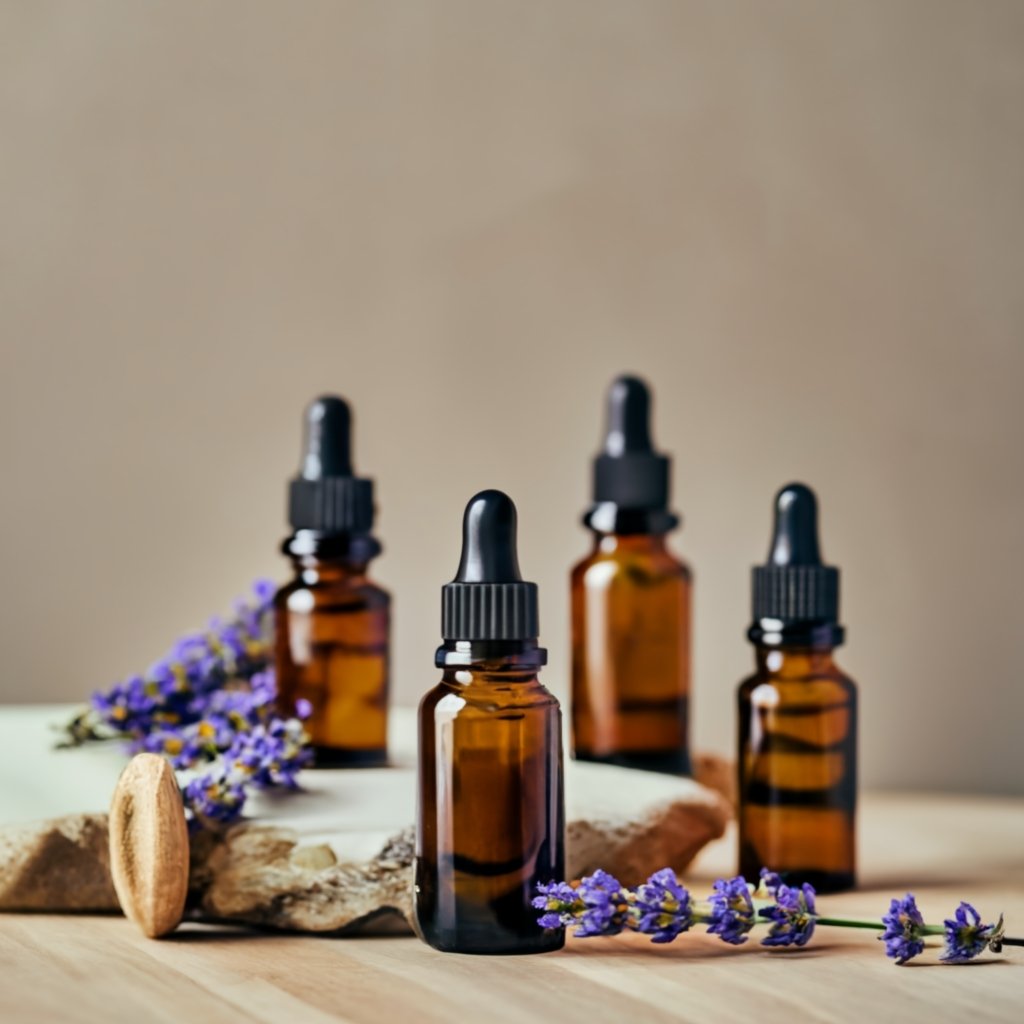
– Properly stored in dark bottles away from heat/light.
– Botanical species name like Lavandula angustifolia printed on label.
– Bottled into glass – Avoid plastics which degrade oil.
– Purchased from a reputable manufacturer and aromatherapy brand.
– Unopened bottles within 1-3 years of production date.
High purity, freshness, and proper processing ensure safety and maximize therapeutic oil potency.
Essential Oil Safety Tips
Use proper precautions when trying aromatherapy at home:
– Dilute oil with a carrier oil or water before topical use.
– Do a patch test on a small skin area first.
– Start with a very low 1% dilution until you know your tolerance.
– Avoid contact with eyes, mucous membranes, and sensitive regions.
– Don’t ingest or swallow essential oils unless they are food-grade.
– Watch for allergic reactions like rashes, itching, or trouble breathing.
– Consult your doctor before use if you have health conditions or are pregnant.
– Keep oils tightly sealed and away from children/pets to prevent accidental ingestion.
Essential oils are highly concentrated, so take care when first exploring use.
Blending Lavender Oil
One of lavender’s aromatherapy superpowers is blending beautifully with other essential oils:
Lavender blends well with the following options :
– lemon – Uplifting citrus-floral.
– peppermint – Sweetly refreshing.
– cedarwood – Warm, woodsy.
– clary sage – Herbal and earthy.
– geranium – Floral bouquet.
– bergamot – Afternoon tea aroma.
– ylang-ylang – Sedative, romantic floral.
– rosemary – Stimulating scent for busy days.
Keep total oils to less than 5 in a blend. Start with a 10:1 ratio of lavender to complementing oils. Adjust proportions to preference.
Creating Signature Lavender Oil Blends
Craft custom synergistic oil combinations for various uses:
– Sleep – Lavender, cedarwood, ylang ylang, clary sage
– Anxiety relief – Lavender, orange, geranium
– Allergy relief – Lavender, lemon, peppermint, eucalyptus
– Muscle relief – Lavender, peppermint, rosemary
– Insect repellent – Lavender, citronella
– Spiritual rituals – Lavender, cedarwood, frankincense
– Romance – Lavender, ylang ylang, patchouli, jasmine
– Clarity – Lavender, bergamot, lemon
Save each blend in a journal along with proportions, uses, and results. Tweak over time as you notice effects. Soon you’ll have signature recipes tailored for you.
Easy DIY Lavender Oil Ideas
Enjoy aromatherapy with these easy homemade lavender projects:
– Sleep pillow – A few drops oil on the cotton inside a pillowcase
– Temple rub – Apply diluted oil to shoulders, neck, temples
– Linen spray – Add oil to water in a spritz bottle for sheets
– Bath soak – 6 drops oil in warm bathwater
– Steamer – Add oil to water in the humidifier tank
– Wellness inhaler – Fill lip balm tube with cotton and oil for portable use
– Massage oil – 10 drops lavender oil per one tablespoon carrier oil
– Stress relief rollerball – Fill roller bottle 1⁄2 full of diluted oil
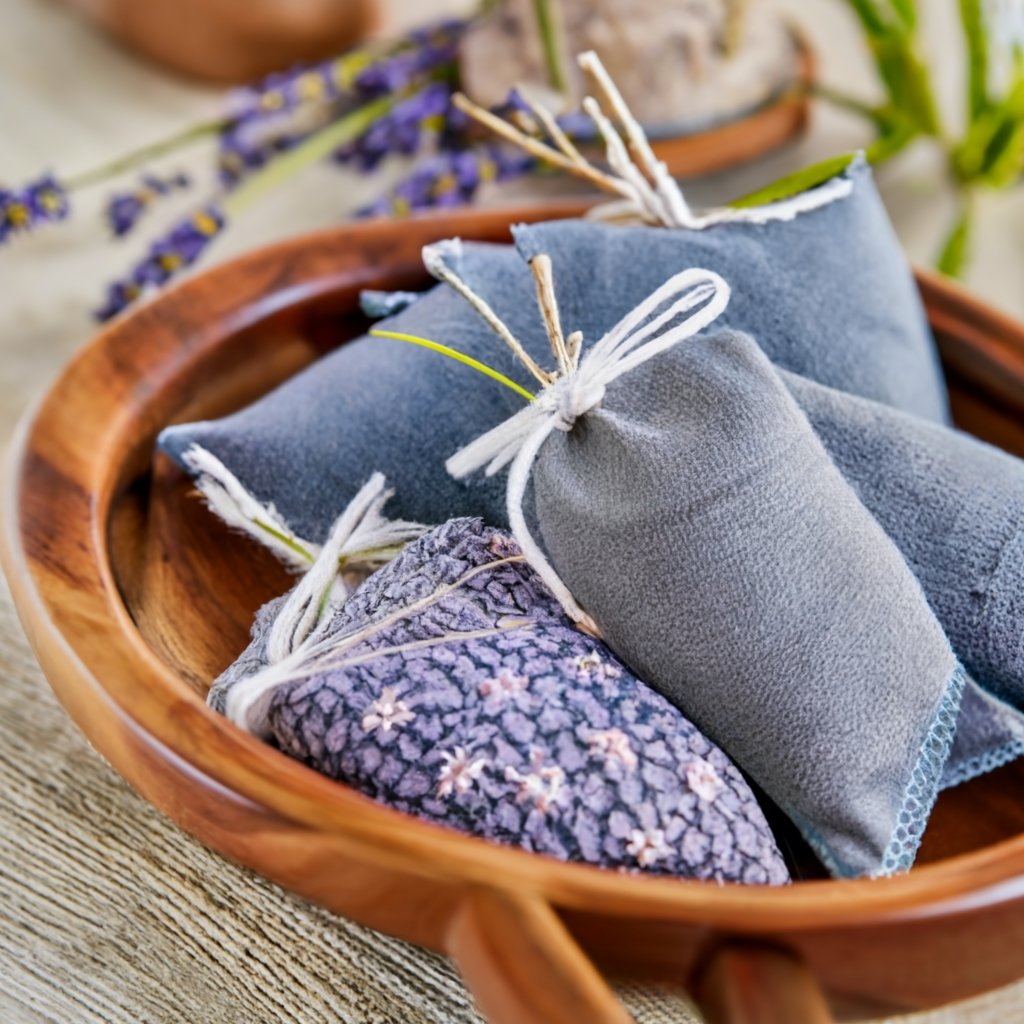
– Sachets – Drop oil on small fabric sachets in drawers or closets
– Candles – Add 5 drops of oil per one cup of melted wax
Simple yet effective for home use!
Final thoughts
The beauty of lavender aromatherapy is you need only a short list of ingredients – high-quality essential oils, simple tools like diffusers or rollers, and objects already at home like pillows or bathtubs. Yet from these basic elements, an unlimited spectrum of custom combinations and applications arises through nourishing your creativity. Do what resonates – craft a signature temple rub to use during meditation, display beautiful bottles on a shelf to appreciate between uses and gift candles scented with oils matching the recipient’s personality.
While following suggested recipes is helpful at first, let your intuition guide you once you gain confidence. Notice which gentle aromas kindle positive memories. Observe how blended scents elicit specific moods like energizing focus or cozy tranquillity. Soon your room diffuser and oil collection will transform into an art studio for the senses. In inventing new blends and methods, you’ll connect more deeply with lavender’s healing properties.
When used with care and mindfulness, may your aromatic explorations with lavender always cultivate well-being.
Inspire inner calm with each breath.