The Dark Evenings Are an Invitation, Not a Problem
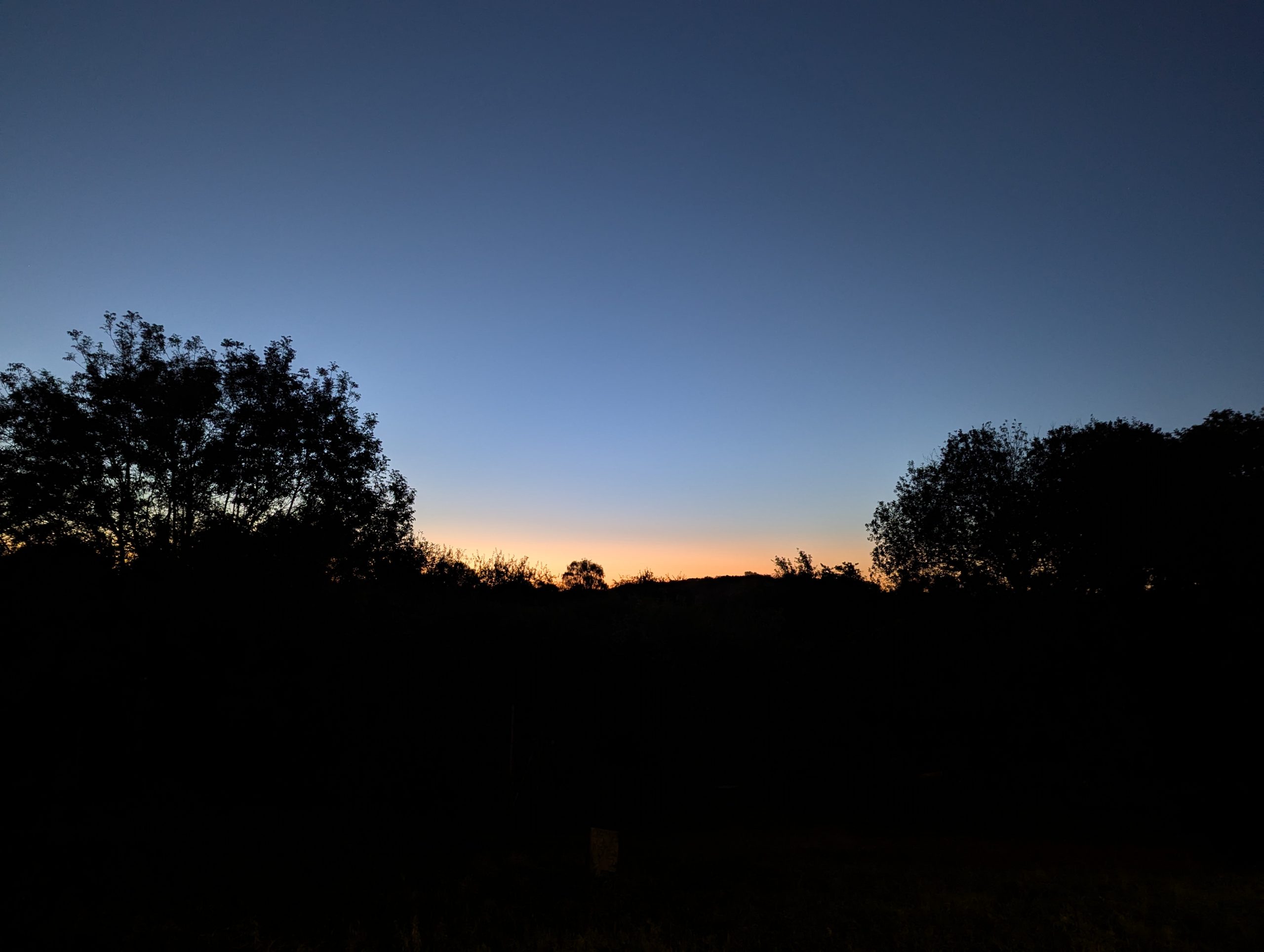
The clocks went back on Sunday, and by Monday it was dark at five.
It always seems to happen all at once, as if someone has switched the light off halfway through the afternoon. Last winter we were in Whitby on a grey Saturday when it happened. By four o’clock the harbour lights were on, the café windows had steamed up, and we sat with our hands round mugs of tea, watching the boats come in. Nobody was in any hurry to leave.
That feeling of being warm and inside, with nowhere to rush to, is what this time of year can be. But it isn’t usually how we treat it.
How we usually treat winter
For most of us, the first dark evening comes with a small sinking feeling. We switch on every light in the house. We say things like “only five months till spring.” We talk about getting through winter, as if it were an obstacle course between one summer and the next.
And we carry on at exactly the same pace: the same to-do list, the same late emails, the same expectation that we’ll have as much energy in January as we had in June.
Nothing else in nature works like that. The garden doesn’t. The hedgehogs don’t. Perhaps the trouble isn’t the dark at all. Perhaps it’s that we’ve stopped letting the season change us.
When the light went, people gathered
Not so long ago, the dark meant something quite different, because light was precious. A poor household might rely on a rushlight: a dried rush dipped in fat, giving a small, wavering flame that rarely lasted an hour. Candles cost money. Even in 1938, around a third of homes in Britain still had no electricity, and the countryside was often the last to be connected.
So people did something that sounds almost unimaginable now. When the light went, they gathered.
There’s a lovely record of this from the Yorkshire Dales. For centuries, Dales families knitted to make ends meet, turning out stockings, gloves and caps to sell alongside whatever the farm could bring in. The knitters of Dent were so astonishingly productive that the poet Robert Southey called them “the terrible knitters of Dent.” He meant terrible as in tremendous.
In 1838, the writer William Howitt described how they spent their winter evenings. “As soon as it becomes dark, and the usual business of the day is over,” he wrote, the youngest children were put to bed, and the fire was raked down. Then out they went, with cloaks on, lanterns in hand and knitting under their arms, to a neighbour’s house. Night after night the gathering moved from home to home around the dale. They called it going a-sitting.
Once everyone had arrived, they knitted, sang knitting songs and told stories, sometimes until well past midnight. Howitt noted that they used no candles at all:
“They burn no candle but knit by the light of the peat fire.”
And the gatherings weren’t for food or drink, he said. They were “merely for society.”
Merely for society. We love that phrase. A whole community decided that the long, dark evenings were the time for each other.
What the dark evenings are offering
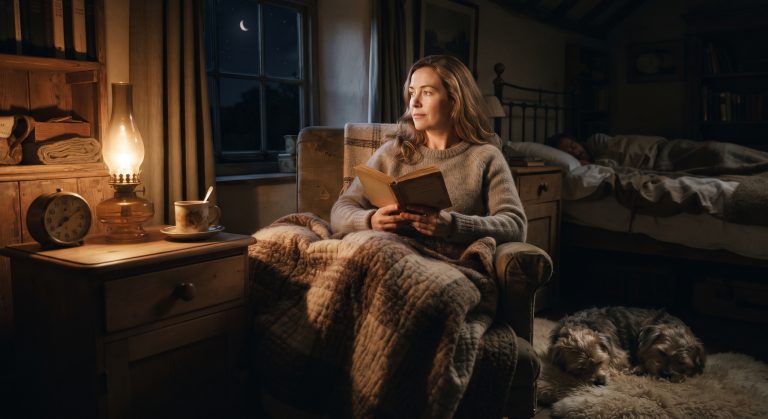
We’re not suggesting anyone turns off the central heating and takes up knitting by firelight (although if you do, please send us a picture). But there’s something in those evenings worth borrowing. It isn’t a technique. It’s a way of seeing the season.
Company. The dark draws us indoors and indoors is where the people we love are. A long evening is a chance to actually be with them, rather than passing each other between jobs.
Time that isn’t for anything. The Dales knitters were working, but the sitting itself had no purpose beyond being together. Most of our evenings are full of small tasks. A dark evening can be allowed to be empty.
Something for the hands. Knitting, mending, drawing, peeling apples for a crumble. There’s a particular quiet that comes from doing something slowly with your hands while your mind wanders.
Permission. Above all, the dark evenings give us permission to slow down. Not because we’ve earned it, but because the season is asking us to.
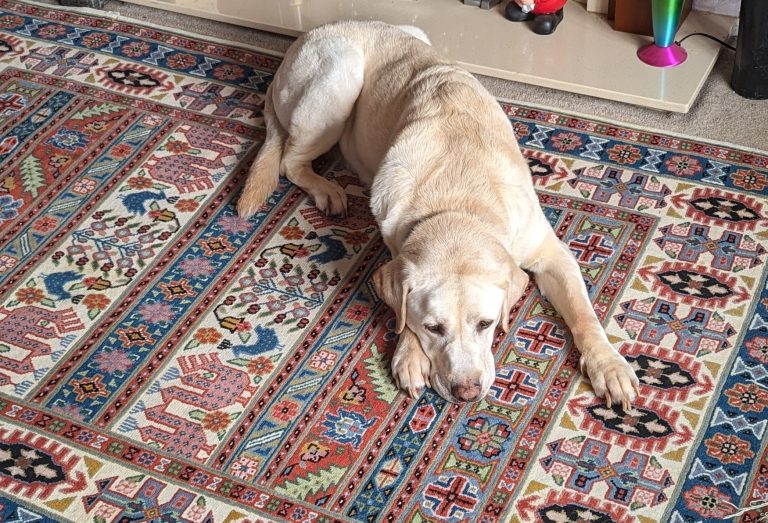
Our own evenings have changed a great deal over the years. When our three boys were small and there was a Guide Dog underfoot, winter evenings were full of homework, bath time, muddy paws and a house that was never quiet. Now the nest is quieter. These days the evenings belong to Mardle as much as to us. He settles on the big rug in front of the fire, close enough to keep us company and still able to keep one eye on the front door and the kitchen, just in case.
We’ve come to look forward to the dark evenings in a way we never expected.
Maybe that’s the invitation. Not to fill the dark evenings, or to fight them, but to let them be what they’ve always been: the part of the day when we come in.
When the boats come home
There’s a reason harbours feel the way they do at dusk. As the light goes, the boats come in one by one, with their lights on, their engines quiet and their ropes thrown to the quayside. Nobody stands on the harbour wall wishing it were still midday. The dark is simply the signal that it’s time to come home.
The Dales knitters understood this. When the light went, they put out their own fires and went to sit by someone else’s.
This winter, perhaps the dark evenings could be our signal too.
If you’d like a gentle shape for these evenings, our Lavender Sleep Guide includes a simple fifteen-minute wind-down. Chris has also recorded it as an audiobook, for listening with the lamps low – check it out here
And if you’d like a little more of this each week, Postcards From The Harbour arrives in your inbox on Friday evenings – sign up today!
— Tracy & Chris